
Zanzibar
Zanzibar Island
A Blend of Cultures and History
Zanzibar’s history is a fascinating tapestry woven with African, Arab, Persian, and European influences. The heart of this cultural fusion is Stone Town, a UNESCO-listed historical center filled with labyrinthine alleys, ancient buildings, and vibrant markets. Walking through Stone Town feels like stepping back in time, with sights like the Sultan’s Palace, the House of Wonders, and the Old Fort revealing Zanzibar’s rich past.
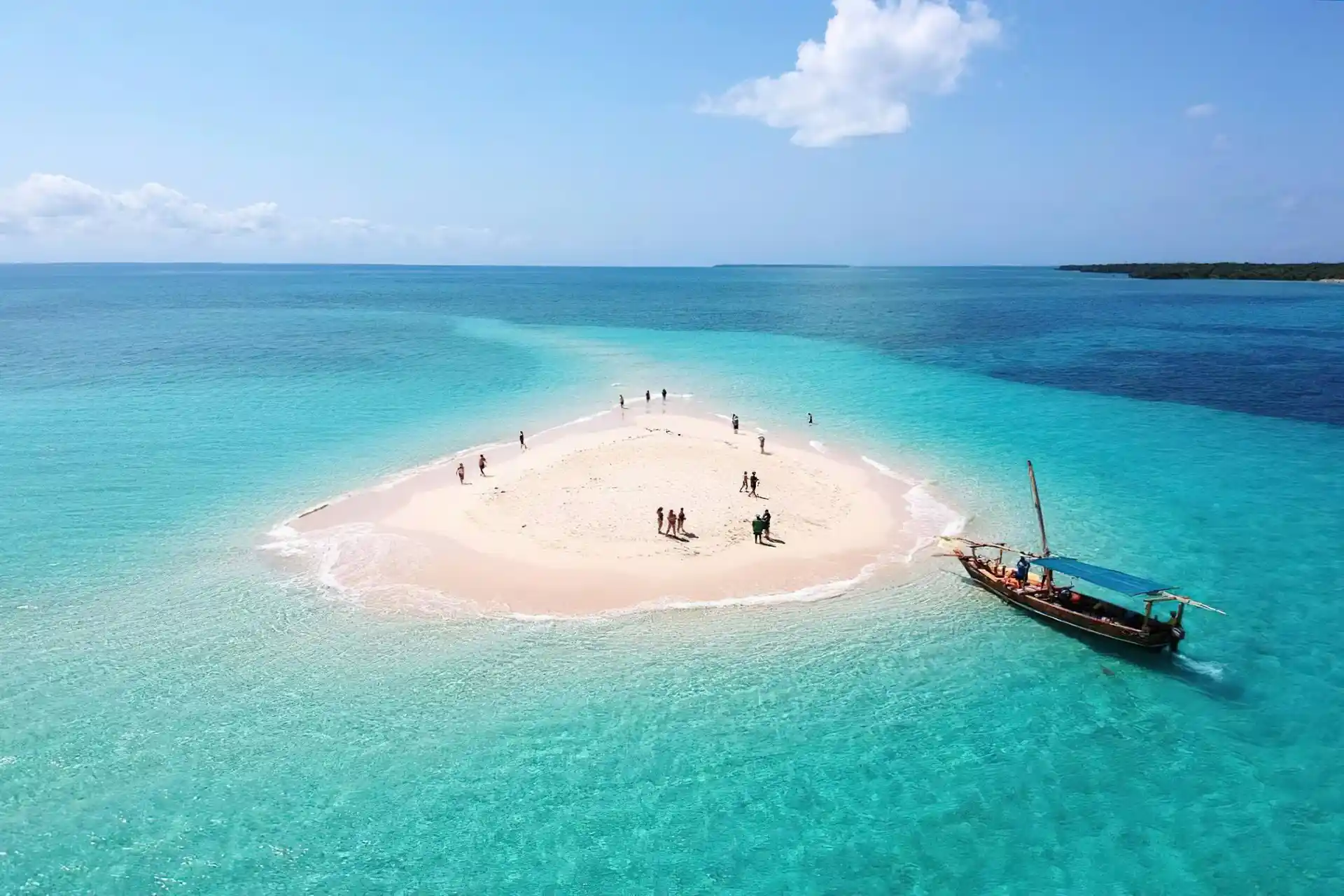
Pristine Beaches and Crystal-Clear Waters
Zanzibar is home to some of the most breathtaking beaches in the world. Nungwi and Kendwa, in the north, offer powdery white sand and lively beach scenes, while Paje and Jambiani, in the southeast, provide a laid-back atmosphere perfect for kitesurfing and relaxation. The island’s coral reefs and marine life make it an excellent spot for diving and snorkeling, with sites like Mnemba Atoll offering encounters with dolphins, turtles, and vibrant fish species.
The Spice Island Experience
A visit to Zanzibar is incomplete without exploring its world-famous spice farms. Known for producing cloves, nutmeg, cinnamon, and black pepper, Zanzibar’s spice plantations offer guided tours where visitors can see, smell, and taste a variety of spices straight from the source. This experience not only connects travelers to Zanzibar’s agricultural heritage but also highlights its historical role in the global spice trade.
Exquisite Cuisine and Local Delicacies
Zanzibar’s cuisine is a delightful fusion of Swahili, Arab, and Indian influences. Dishes like Zanzibar biryani, octopus curry, and urojo soup showcase the island’s rich flavors. At night, the famous Forodhani Night Market in Stone Town comes alive with sizzling seafood, Zanzibar pizzas, and fresh sugarcane juice—a must-visit for food lovers.
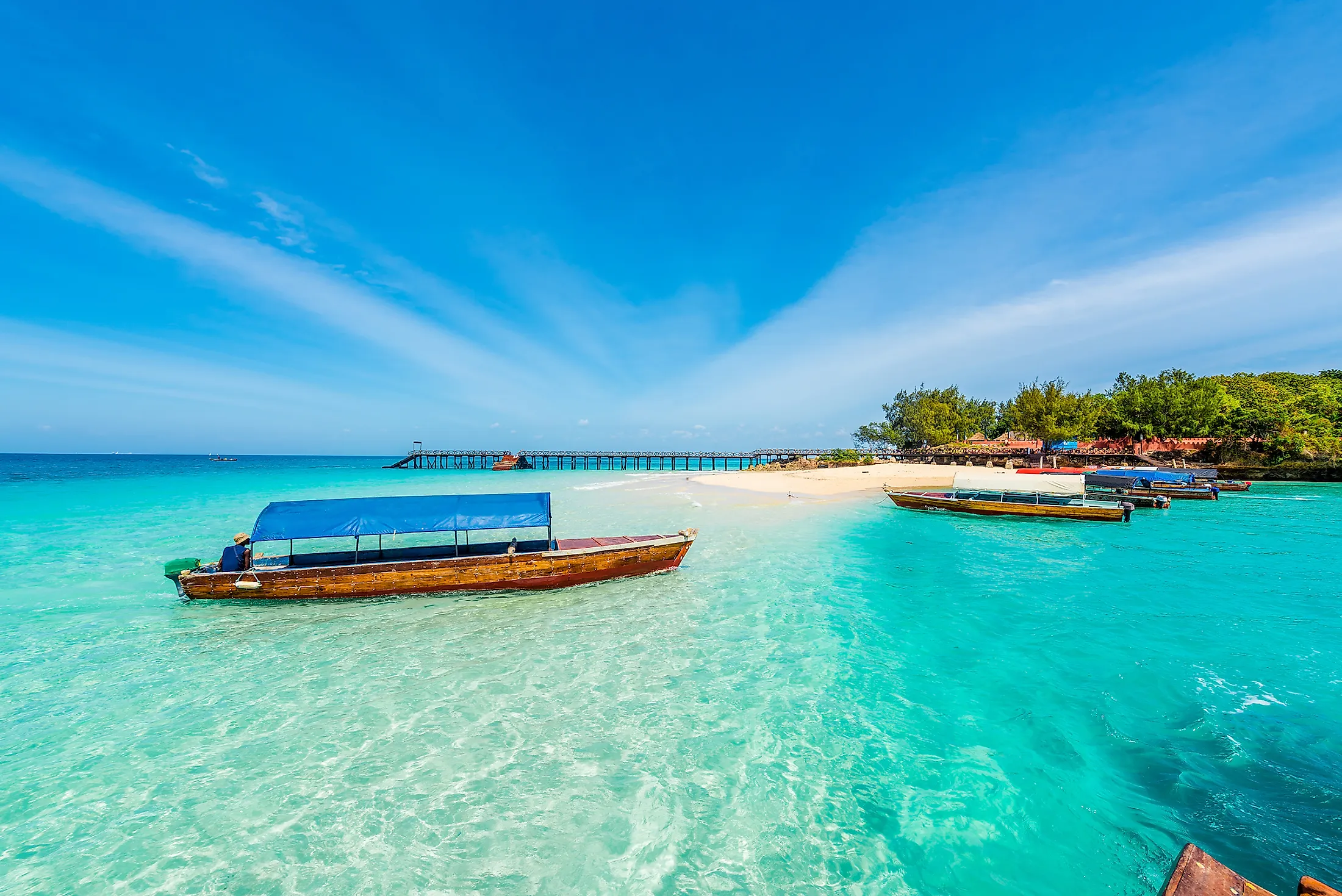
Adventure and Unique Experiences
For adventure seekers, Zanzibar offers a range of exciting activities beyond the beaches.
- Prison Island: Home to giant Aldabra tortoises, this small island is perfect for a day trip.
- Jozani Forest: A sanctuary for the rare Red Colobus Monkeys, offering nature lovers a chance to explore Zanzibar’s lush tropical forests.
- The Rock Restaurant: A world-famous dining spot perched on a rock in the Indian Ocean, providing breathtaking views and fresh seafood.
A Destination Like No Other
Best Time to Visit Zanzibar
The best time to visit Zanzibar is during the dry seasons from June to October and December to February, when the weather is warm, sunny, and perfect for beach activities. These months offer ideal conditions for snorkeling, diving, and exploring Stone Town.
The rainy seasons (March to May and November) bring occasional heavy showers, but prices are lower, and the island is lush and less crowded. If you prefer fewer tourists and don’t mind some rain, this can be a great time to visit.

Your Safari Starts Here!
Frequently Asked Questons
Where is Zanzibar located?
How do I get to Zanzibar?
You can reach Zanzibar by:
- Flight: Direct flights are available from Dar es Salaam (20 minutes), Nairobi, Arusha, and international hubs like Doha and Dubai.
- Ferry: Several ferry services, including Azam Marine, operate between Dar es Salaam and Zanzibar, taking around 1.5 to 2 hours.
What is Zanzibar famous for?
- Beautiful beaches like Nungwi, Kendwa, Paje, and Jambiani.
- Stone Town, a historic city with a blend of Arab, African, and Indian influences.
- Spices, including cloves, cinnamon, and nutmeg.
- Slave trade history, with historical sites to explore.
- Marine activities like snorkeling, diving, and kitesurfing.
Is Zanzibar safe for tourists?
What language is spoken in Zanzibar?
Other Itineraries
and intimate encounters — crafted for dreamers, explorers, and storytellers.